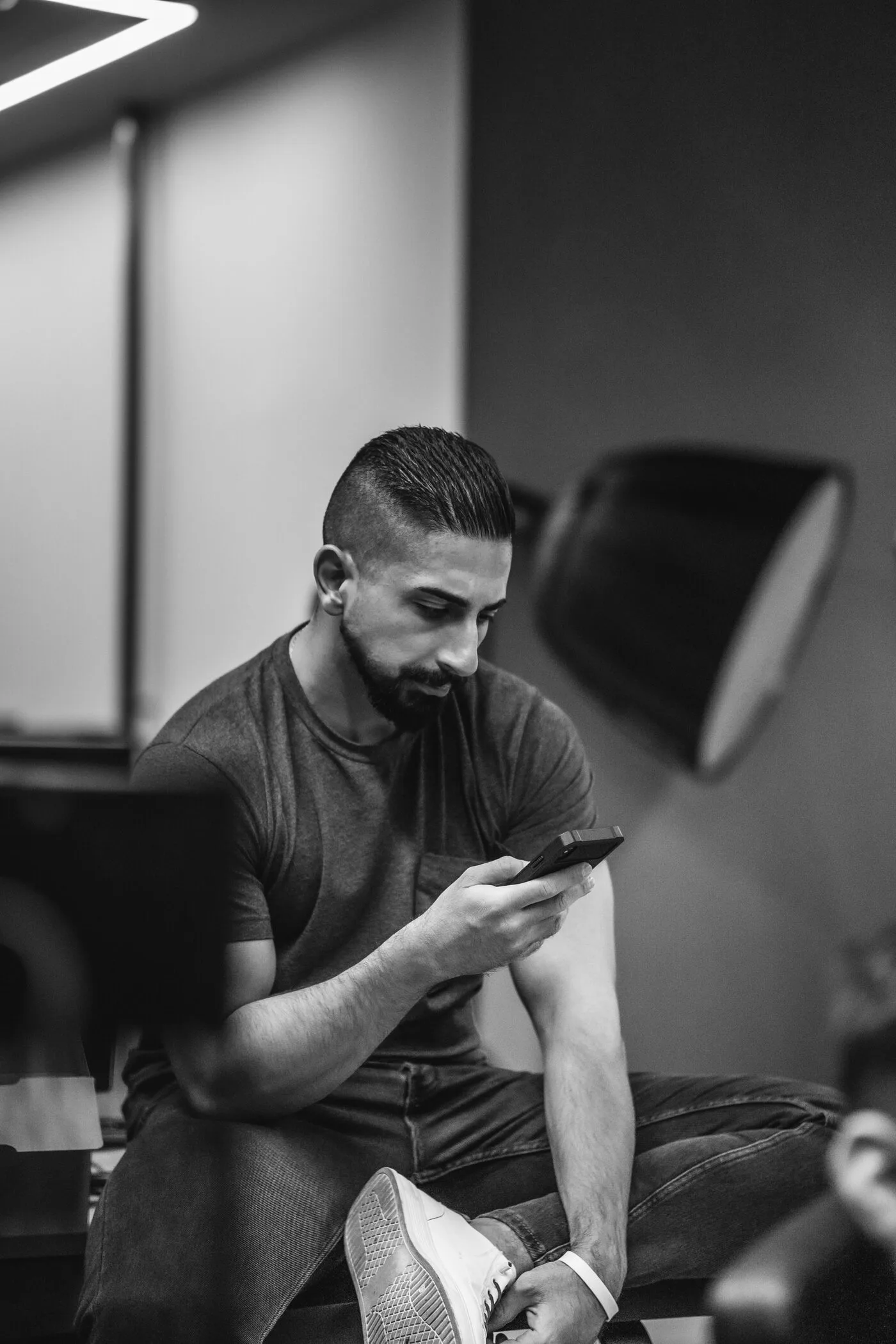
Senior Art Director · Creative Director
THE MIND BEHIND the work.
Years Active
10+
Brands Shaped
50+
Markets
Iraq · MENA
Studio
33 Studio
Scroll
Great campaigns don't begin with design. They begin with understanding. Before a colour, a typeface, or a headline, there has to be a reason for someone to care.
That's why I don't think in individual assets. I think in worlds. A campaign should feel coherent wherever it's experienced—on a billboard, a screen, a package, or a stage. Every touchpoint should belong to the same story.
My role isn't to decorate brands. It's to uncover what makes them impossible to mistake for anyone else, then build a visual system strong enough to carry that truth across every medium.
The guiding principle
"If it needs explaining, it isn't finished."
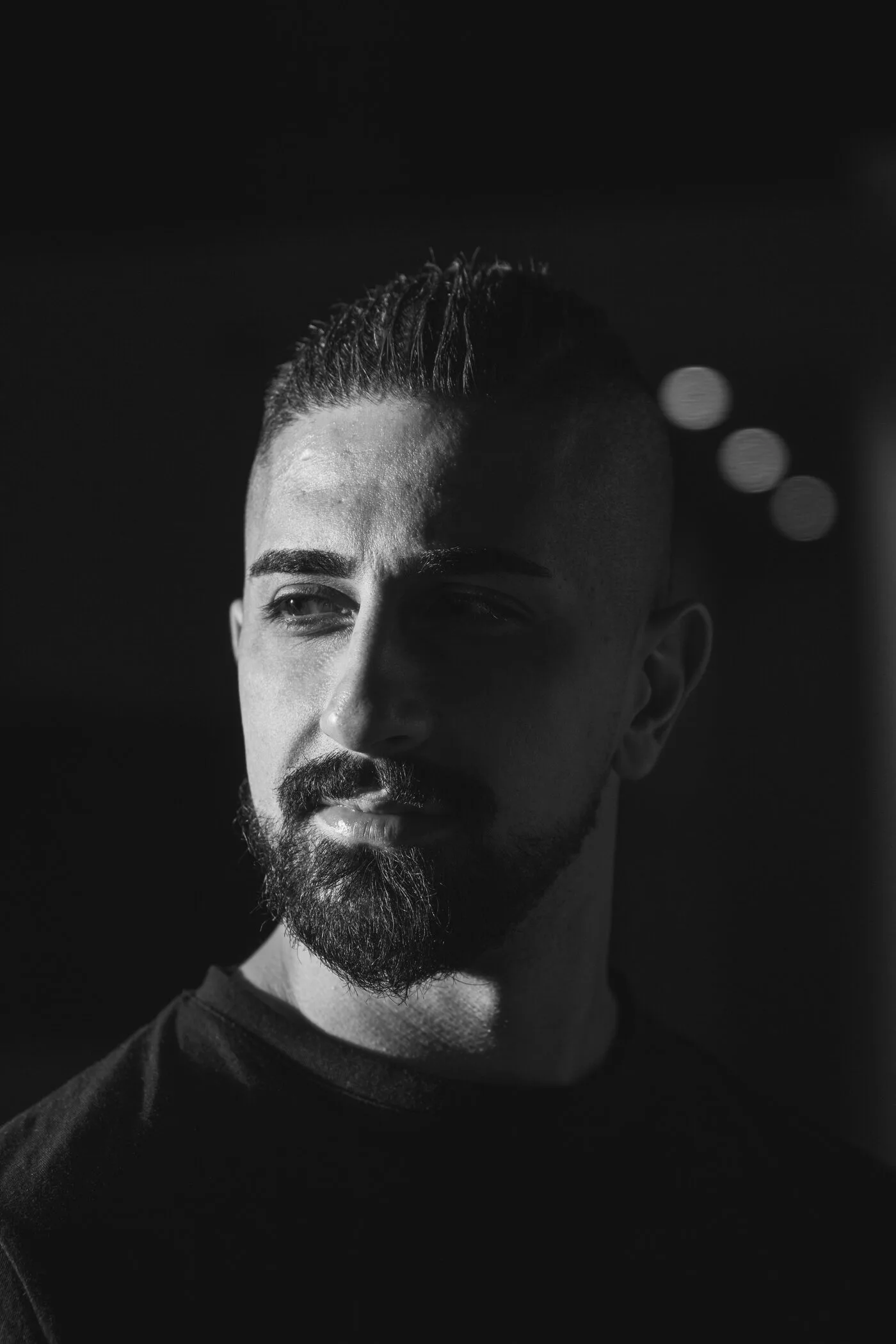
Campaigns end. Brands don't. That's why I measure success by what remains after the launch—the recognition, the consistency, and the trust that keeps growing long after the media spend is gone.
I build systems before assets. A visual language before a campaign. A creative direction before execution. When every decision comes from the same idea, brands stop feeling fragmented and start becoming unmistakable.
Working across Kurdistan, Iraq, and the wider region has taught me that culture isn't something you add at the end. It shapes every decision from the beginning. The strongest work doesn't translate—it belongs.
01
Good enough is expensive. It costs attention, trust, and memory. I'd rather question a layout ten more times than release work that doesn't deserve to exist.
02
I don't decorate ideas—I clarify them. Every typeface, frame, transition, and composition should strengthen the story, never distract from it. Beauty follows intention, not the other way around.
03
People come before aesthetics. Great work begins with understanding how people speak, think, laugh, and believe. The visuals should feel native to their world—not imported into it.
04
Details aren't decoration. They're where confidence lives. Spacing, rhythm, colour, typography—small decisions shape how people judge the whole. Excellence is rarely one big choice. It's hundreds of small ones.
05
Safe ideas rarely become memorable. I look for the idea that's just uncomfortable enough to start a conversation—because the work people remember is usually the work that took courage to approve.
06
When I take on a project, it becomes personal. I stay involved from the first conversation to the final delivery because great ideas need someone willing to protect them all the way through.
"Most people in advertising learn how to sell products.
I learned how to build
worlds around them."
— Alan Baban
I don't separate work from curiosity. When I'm not directing campaigns, I'm producing music, collecting references, studying typography, or pulling apart films frame by frame. Different mediums. Same obsession.
Music taught me rhythm. Not just in sound, but in storytelling. The pause before a reveal. The tension before movement. The silence that gives everything around it more weight. Those lessons follow me into every campaign I direct.
Over the years, I've realised my process doesn't really switch off. I'll notice kerning on a café menu, colour harmony in an old film, or composition in the way sunlight hits a wall. Inspiration rarely arrives at a desk—it usually finds me while I'm paying attention.
Because to that client — it is. And if I can't bring that same urgency to every project, I shouldn't be in the room.
The brief tells me what the client wants. The questions tell me what they actually need. Before ideas, I look for context, tension, and opportunity. That's where the strongest creative direction begins.
Execution can always improve. The idea can't. I spend more time finding the right concept than decorating the wrong one. Once the direction is clear, every decision becomes easier.
The last ten percent is where quality becomes visible. Refinement isn't polish—it's where clarity, consistency, and confidence are earned. I don't stop because the deadline arrives. I stop when the work is ready.
I don't want clients opening a folder and wondering what comes next. I want them opening a system they understand instinctively. Every logo, layout, headline, motion, and campaign should feel like it came from the same mind—even years after the project is finished.
I don't measure success by how smoothly a project runs. I measure it by the conversations we're willing to have. The best work comes from honesty—the confidence to challenge each other, the trust to make difficult decisions, and the shared ambition to create something neither of us could have achieved alone.
Let's build something unforgettable